Global impact – Global trust
In an increasingly interconnected world, safeguarding public health can no longer be achieved through isolated efforts. The mobility of people, medicines and health products, rapid technological change and growing interdependence of regulatory systems all demand robust international co‑operation built on trust. For the EDQM, global impact and global trust are inseparable: our work delivers meaningful results only when partners, regulators, industry and, ultimately, patients have confidence in the quality, integrity and public‑health value of our standards, procedures and guidance.
This trust is first forged through strong institutional collaboration. Working closely with partners such as the World Health Organization (WHO), the European Union (EU) and other international public‑health organisations, the EDQM contributes to regulatory convergence, harmonisation and reliance worldwide. By making best use of shared expertise and resources, these partnerships help ensure that quality standards are coherent, science‑based and globally applicable. Yet trust must also extend beyond institutions. It must be earned and maintained among the people who benefit from health systems, through transparency, scientific excellence and tangible public‑health outcomes.
In 2025, this commitment was reflected across the EDQM’s activities. The transition of the European Pharmacopoeia (Ph. Eur.) to a fully digital environment marked a new era for accessible, user‑centred and internationally trusted quality standards for medicines. The global production and distribution of official reference standards continued to underpin the reliable application of pharmacopoeial tests, supporting quality‑control laboratories worldwide and reinforcing confidence in medicinal quality. At the same time, sustained investment in expert networks and stakeholder engagement strengthened the collaborative foundations on which these standards are built.
Trust is equally central to the EDQM’s certification activities. The certification of suitability (CEP) procedure continued to streamline quality evaluations, promote harmonisation and support equitable access to safe, high‑quality pharmaceutical substances, while providing a trusted framework relied upon by regulators and industry worldwide. Finally, in the field of substances of human origin (SoHO), updated guidance, international conferences and stakeholder dialogue advanced quality, safety, ethical practices and collaboration across blood, organ, tissue and cell establishments and systems.
Together, these actions illustrate how the EDQM translates its mandate into global public‑health impact – by earning, building and sustaining trust at every level.
European Pharmacopoeia
The Ph. Eur. advanced the EDQM’s objectives by delivering more accessible, user‑centred and internationally trusted quality standards for medicines – reinforcing confidence in regulatory convergence and supporting better public health outcomes worldwide.
All-digital 12th Edition marks a new era for the Ph. Eur.

The EDQM launched the fully digital 12th Edition of the Ph. Eur., introducing a redesigned online platform and marking a major milestone in advancing accessible, internationally trusted quality standards for medicines.
On 24 June 2025, the EDQM announced the launch of the 12th Edition of the Ph. Eur., marking a major milestone in its evolution and the beginning of an all-digital era for Europe’s official quality standards for medicines. Since then, the new edition has been available exclusively on a redesigned, user-friendly online platform, supported by a 365-day licencing model that ensures continuous access for users.
The move to an entirely digital format reflects the Ph. Eur.’s long-standing commitment to scientific excellence, international collaboration and innovation, upheld by a global network of nearly 1 000 experts who contribute to its content.
To support users in navigating the new platform, the EDQM scheduled a free two-part webinar, “Unlocking the potential of the European Pharmacopoeia Online”. The Ph. Eur. website provides comprehensive information on the current edition, the Ph. Eur. publication schedule and work programme, opportunities for participation and related products and services. Information on licences can be found in a dedicated brochure.
For over 60 years, the Ph. Eur. has been fundamental to ensuring access to quality medicines, providing legally binding standards throughout its member states and serving as a globally recognised benchmark for pharmaceutical quality. The digital transition strengthens its role in supporting public health and reinforces the EDQM’s mission within the broader framework of the Council of Europe.
Launch of the 12th Edition and new online-only platform

The EDQM hosted an exclusive launch event at the Strasbourg Observatory, unveiling the fully digital 12th Edition of the Ph. Eur., livestreamed globally to mark this major transition.
On 18 June 2025, the EDQM officially presented the fully digital 12th Edition of the Ph. Eur. and its new online-only platform at an event held in Strasbourg and livestreamed for a global audience. This gathering celebrated the transition away from print and showcased a modernised, more accessible future for pharmacopoeial standards. Bringing together invited stakeholders on-site and many more online, the launch highlighted the EDQM’s long-standing commitment to international collaboration, scientific excellence and global public health.
Get more information and watch the recorded event: Launch of the 12th Edition and new online-only platform.
Reference standards
Official reference standards are essential for the application of the quality control tests described in Ph. Eur. texts. Quality and medicines control laboratories, among others, require these official standards to perform the analytical procedures described in the monographs.
Worldwide distribution
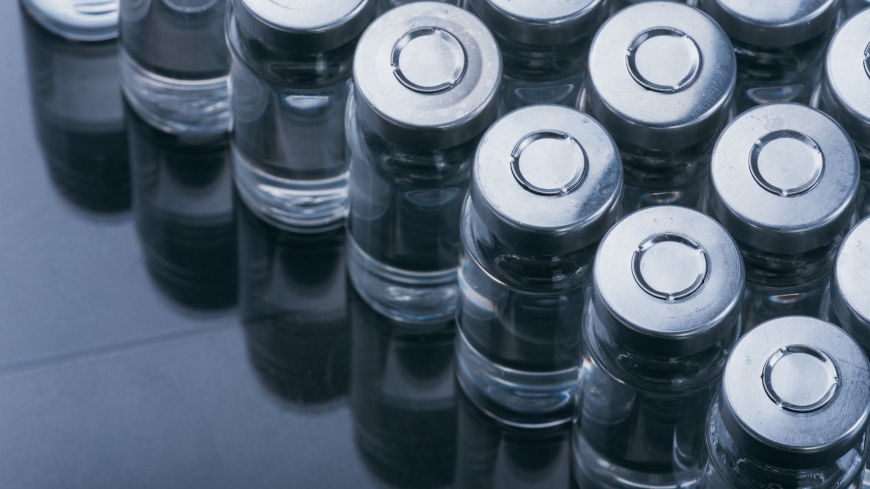
The EDQM ensures the supply of official Ph. Eur. reference standards to help safeguard the quality and availability of medicines in Europe and beyond.
The extensive Ph. Eur. reference standard portfolio consists of over 3 230 reference standards. Managing this portfolio requires a comprehensive approach, involving diverse tasks such as procuring candidate materials, characterising and establishing standards, quality control, but also manufacturing and batch release. All Ph. Eur. reference standards undergo extensive testing to ensure they are fit for their intended use. They are essential for applying the quality control tests described in Ph. Eur. texts and help safeguard the quality and availability of medicines in Europe and beyond. The EDQM’s portfolio of reference standards continually evolves to meet the requirements of new or revised Ph. Eur. texts.
In 2025, the EPC adopted 202 reference standards based on establishment reports prepared by the EDQM Laboratory. Distribution and ongoing monitoring of these standards ensure their continued relevance and reliability. Ph. Eur. reference standards were distributed directly to 135 countries in 2025, illustrating the global importance of the EDQM’s work and its impact on public health.
EDQM reference standards newsletter
Subscribe for monthly updates straight to your inbox.
Gradual rollout of a new primary label for European Pharmacopoeia reference standards
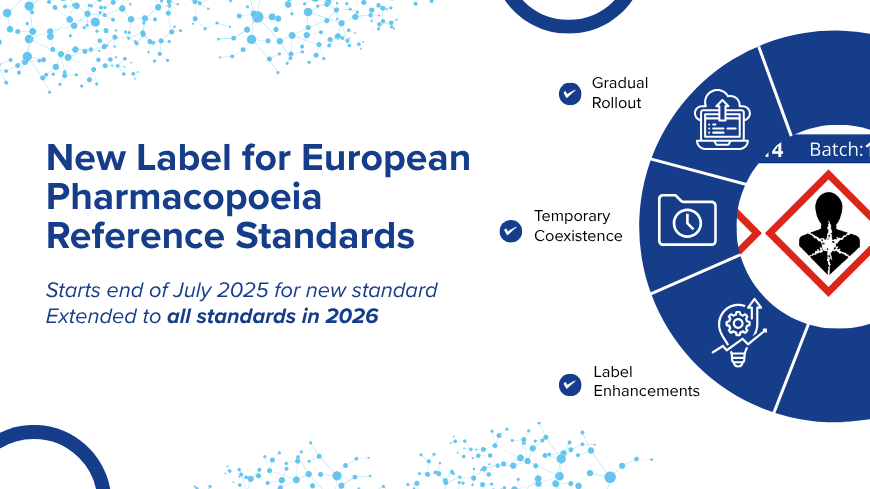
The EDQM announced a new legally compliant primary label for Ph. Eur. reference standards, adding clearer safety and substance information during a phased rollout.
The EDQM initiated the gradual introduction of a redesigned primary label for Ph. Eur. reference standards to ensure full compliance with Regulation (EC) No 1272/2008 (CLP). The new label format first appeared on newly released reference standards in July 2025 and has been rolled out progressively to all other standards since then.
Beyond meeting legal requirements, the updated design enhances transparency and usability by incorporating additional information such as the substance’s Chemical Abstracts Service Registry (CAS) number (where available), its chemical name and relevant safety pictograms. Existing essential information has been retained, but in a clearer and more harmonised layout to improve readability and support safe handling.
Dedicated experts and work with stakeholders
The EDQM’s work would be impossible without the dedication of our experts and stakeholders. Their expertise and commitment promote trust, credibility and innovation. In 2025, the EDQM worked to strengthen engagement with its experts by modernising tools, improving processes and creating opportunities for collaboration – because together, we achieve more.
Congratulations to appointed experts and chairs

The EPC (re)appointed more than a thousand experts and chairs for the 2025-2028 term, strengthening its global expert network dedicated to safeguarding public health through harmonised quality standards.
In 2025, the EPC appointed and reappointed more than a thousand experts and chairs for the 2025-2028 term, reflecting strong engagement from the scientific community and its continued commitment to the Ph. Eur. These experts – from national authorities, industry, academia, research organisations and other sectors – play a central role in developing and maintaining the harmonised quality standards that support the safety, efficacy and quality of medicines used in over 130 countries.
Their contributions form the backbone of every adopted Ph. Eur. monograph and general chapter, reinforcing the EPC’s mission to protect public health and ensure global trust in medicines. The EPC expressed its deep appreciation to all newly appointed and returning experts for the expertise, time and dedication they bring to this collaborative endeavour.
To maintain a dynamic and diverse expert network, the EPC continues to review applications from new candidates. Interested experts are encouraged to apply and take part in shaping international standards.
Join the Network. Transform lives.
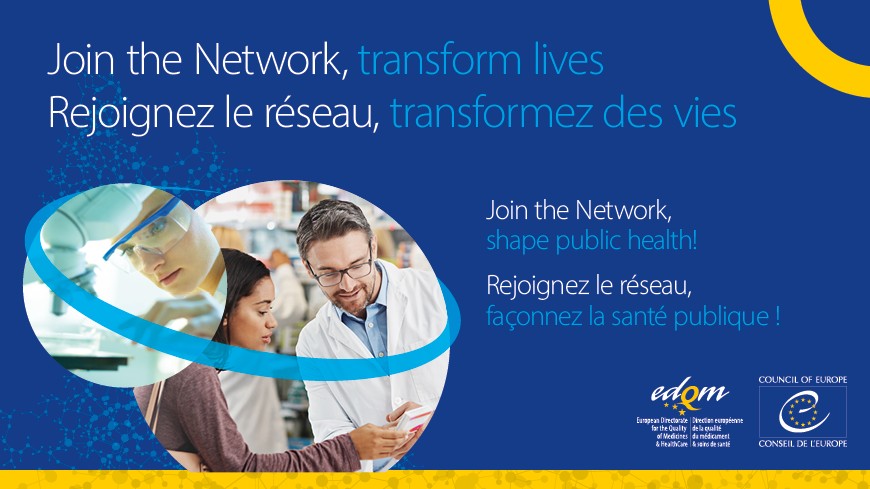
Because healthcare never stops, the EDQM launched a global call for experts with videos, infographics and social media outreach to strengthen its scientific community.
Behind every Ph. Eur. standard is a network of experts whose work in the lab safeguards patients and communities worldwide. Each test, each text, each trusted standard ensures that medicines are safe, effective and of the highest quality.
By joining one of the Ph. Eur. expert groups, experts become part of an international scientific community where knowledge flows from the laboratory to real life. Their expertise shapes the standards that protect citizens, restore health and build trust in medicines across Europe and beyond.
The EDQM enables qualified experts to collaborate with other leading specialists, contribute to public health and see their scientific work make a tangible difference in patients’ lives.
“Join the Network, transform lives”
Take a look at our infographic for a quick overview of our expert community.
“Why join the Network”
Watch our video and find out – straight from the experts – what this opportunity can offer.
Check out the EDQM LinkedIn account
Follow our activities and take part in the discussion.
Become a certification assessor, a key player in the EDQM's CEP procedure
Read our brochure and find out how to join a winning team.
Council of Europe Health Protection Conference 2025
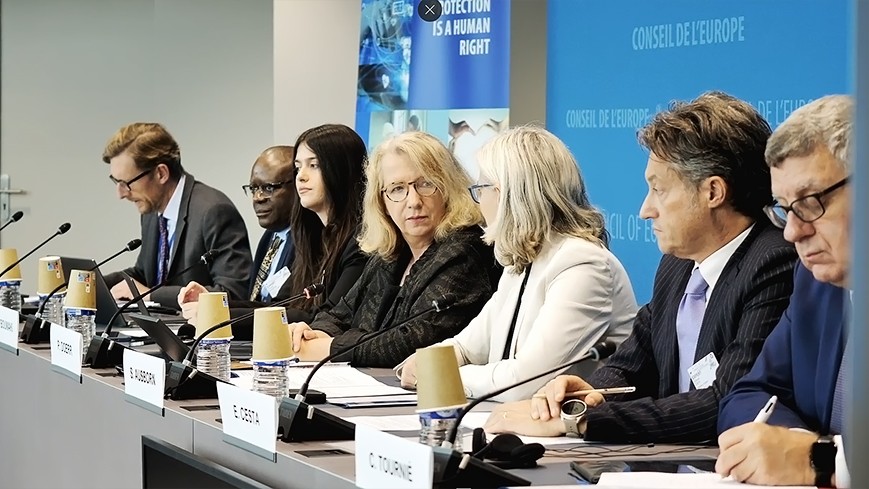
Given that health is not merely a matter of public policy but of human rights, the Council of Europe places health protection at the core of its mandate. This conference illustrated the EDQM’s convening power and thought leadership on global health protection challenges.
The Conference on the Protection of Health brought together experts, regulators and stakeholders to showcase the Council of Europe’s holistic, rights-based and ethical approach to protecting health and to explore how this approach could be reinforced in a changing public health landscape marked by scientific, technological, environmental and social challenges.
Session 3, moderated by Petra Doerr, EDQM Director, consisted of a multistakeholder panel of experts providing their perspectives on the quality and safety of medical products and healthcare. The session delivered five key messages.
- A complementary regulatory ecosystem protects patients. The EDQM and the European Medicines Agency (EMA) play distinct but complementary roles in ensuring the high quality and safety of medicines in Europe and beyond, from lab to bedside.
- Emerging technologies are an opportunity, if we put ethics and evidence first. Artificial intelligence (AI) and digitalisation offer promising opportunities but their use must be guided by ethics and evidence.
- Human rights are a compass. Even without a stand-alone “right to health” in the European Convention on Human Rights, the European Court of Human Rights case law defines states’ duties.
- Medicine shortages are a systemic threat, not a series of isolated incidents. They stem from fragile supply chains, geopolitical and economic pressures, surges in demand and forecasting gaps. We need co-ordinated strategies that anticipate, prevent and mitigate shortages.
- Falsified and substandard products demand a united front. They impact millions of people and compromise healthcare systems worldwide. Addressing this issue requires the implementation of early detection methods, the disruption of illicit distribution practices and stronger international co-operation.
Quality and safety of medical products and healthcare
Watch the recording of Session 3 of the conference.
Read the outcome document of the conference
and explore the photo gallery.
Driving trust with good-quality pharmaceutical substances
The EDQM’s CEP procedure streamlines quality assessments, harmonises regulatory expectations and strengthens global trust in safe, good‑quality pharmaceutical substances.
Certified for success: using the CEP procedure to elevate quality and drive trust

The CEP procedure continues to evolve – driving the need for regular exchanges such as the “Certified for Success” conference to share insights and shape its future.
The CEP procedure is a cornerstone of efficient, reliable and globally aligned pharmaceutical regulation. By centralising evaluations of the quality of pharmaceutical substances, it streamlines the work of both regulators and industry, saving time and resources while ensuring harmonised assessments across jurisdictions. This unified approach strengthens regulatory convergence and supports equitable access to safe, high‑quality medicines – an impact that depends fundamentally on trust. The CEP procedure builds and maintains this trust by providing a transparent, authoritative and internationally recognised framework for demonstrating compliance with Ph. Eur. standards.
Against this backdrop, the 2025 “Certified for Success” conference offered an essential opportunity for regulators, industry and academia to explore the latest developments, share perspectives and collectively shape the future of the CEP procedure in a rapidly evolving regulatory environment.
Certified for Success: highlights from the CEP conference

The CEP conference in Budapest gathered global stakeholders to explore regulatory advances, future developments and collaboration, highlighting the CEP’s evolving role in strengthening quality and trust.
The EDQM conference “Certified for success: using the CEP Procedure to elevate quality and drive trust”, held on 23 and 24 September 2025, brought together over 125 participants (representing 25 countries) from across the pharmaceutical and chemical industries, regulatory agencies and academia to explore the latest developments in the CEP procedure.
The CEP procedure plays a vital role in protecting public health, ensuring regulatory efficiency and promoting global harmonisation, helping to build and maintain trust in the pharmaceutical field worldwide. This event provided a deep dive into the evolving regulatory landscape and what the future holds for the CEP.
Networking opportunities, insights, varied perspectives and panel discussions were among the most appreciated aspects of the event. The topics covered included:
- Navigating CEP 2.0: perspectives from the EDQM, industry and regulators
- Upcoming developments: modern technologies, eCTD and AI at the EDQM
- The power of good manufacturing practice (GMP) inspections: international collaboration and global impact
- Maximising the potential of CEPs: reliance and global acceptance.
Access the presentations
and relive the event highlights via our photo gallery.
Take a look at our infographic
“Join the Network, transform lives” for a quick overview of our expert community.
SoHO – Improving quality, safety, ethical practices and collaboration
The EDQM continued to advance quality, safety, ethical practices and cross‑border collaboration in SoHO through updated guidance, expert dialogue and co-ordinated action across Europe.
EDQM releases 9th edition of the Organ Guide

The updated Organ Guide strengthens quality and safety in transplantation by providing practical and comprehensive guidance essential for improving outcomes, reducing risks and supporting ethical, effective organ donation systems.
The EDQM proudly announced the release of the 9th edition of the Guide to the quality and safety of organs for transplantation (Organ Guide). This comprehensive guide remains an essential resource for healthcare professionals and policy makers involved in organ donation and transplantation, providing updated safety and quality guidelines to support their activities.
Over the past few decades, transplantation therapies have seen great progress, significantly enhancing patient outcomes and quality of life. However, the persistent shortage of transplantable organs remains a major obstacle, preventing the full realisation of these advancements. In this context, comprehensive quality systems and appropriate donor screening and selection processes are essential to ensuring the safety and quality of organs for transplantation. The Organ Guide addresses these critical issues by offering detailed guidelines on setting up and enhancing procedures and processes at all stages of organ donation and transplantation, which is vital for both improving transplantation outcomes and reducing the risk of disease transmission or waste.
Find out more by reading the press release
“Guide to the quality and safety of organs for transplantation – EDQM releases 9th edition”.
EDQM publishes 22nd edition of the Blood Guide

The latest edition of the Blood Guide strengthens quality, safety and ethical practices in donation and transfusion, offering state‑of‑the‑art guidance to support effective procedures and protect both donors and patients.
The EDQM published the 22nd edition of the Guide to the preparation, use and quality assurance of blood components (Blood Guide), a comprehensive guide which continues to serve as an essential technical reference for healthcare professionals, regulators, policy makers and all those involved in blood donation and transfusion. This edition is available in both French and English, the two official languages of the Council of Europe. It marks a major milestone in the EDQM’s strategic efforts to address current and emerging public health challenges and priorities, supporting the design and implementation of the best possible donation and transfusion procedures for the benefit of patients and donors alike. It not only reflects the state of the art but also underscores the EDQM’s commitment to ethical practices and the non-remunerated donation of SoHO.
This edition includes a complete review of all chapters, an in-depth revision of the Haemovigilance chapter and the addition of two new chapters, Blood components for topical use or injection and Blood supply contingency and emergency planning. Other significant changes relate to donor selection criteria (Creutzfeldt–Jakob disease, malaria, blood pressure and pulse, plasmapheresis, iron stores, donor age and insulin), along with the standardisation of terminology. All changes are documented in a change log to facilitate uptake of the new edition and are supported by background documents detailing the scientific rationale behind them.
Find out more by reading the press release
“EDQM publishes 22nd edition of the Blood Guide”.
EDQM Blood Conference – “Innovation in Blood Establishment Processes”
This conference enabled experts to share advances, address emerging challenges and strengthen quality, safety, ethical practices and collaboration in blood donation and blood component preparation across Europe.
Almost 250 registered participants took part in the EDQM Blood Conference, a two-day, in-person event in Strasbourg (France), to discover and discuss new developments in blood donation and blood component preparation in Europe and address the important question of how they can be implemented.
Blood establishments must continually adapt to rapid advances in this field, such as the impending EU legislative changes, and this conference provided a forum to share expert knowledge and practical guidance. It addressed novel technical developments, current challenges, technical aspects, change control management, evidence- and risk-based approaches, together with regulatory questions.
This conference was an opportunity to engage with the blood sector’s international community of experts, to present cutting-edge research, share expertise and discuss practical aspects and challenges.
Presentations given at the EDQM Blood Conference
All the presentations and the outcome report are available on the EDQM website.
Key outcomes of 2025 international EDQM Blood Conference published
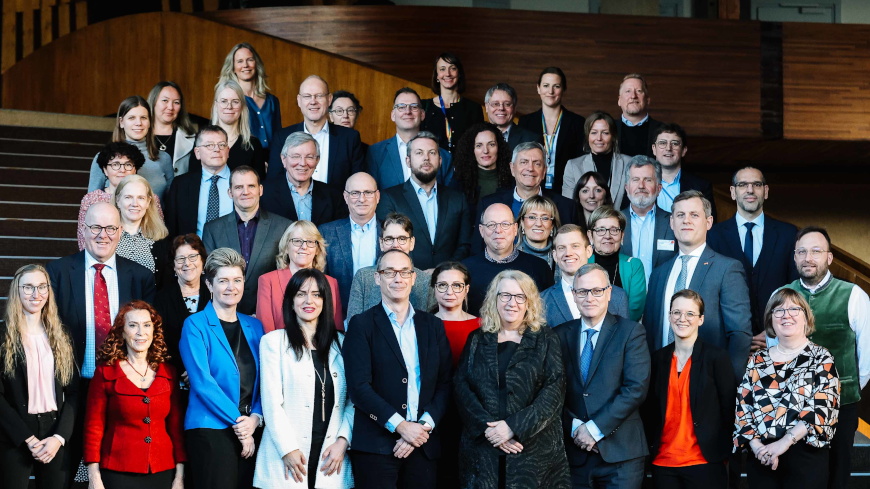
An EDQM‑led international blood conference highlighted innovation, regulatory preparedness and expert guidance to strengthen continuity of blood supply and reduce the risk of shortages across Europe
The EDQM organised and hosted an international blood conference on the theme “Innovation in Blood Establishment Processes” in Strasbourg on 14 and 15 January 2025 and later, with members of the conference’s scientific committee, published a conference report in Blood Transfusion that presented key outcomes of the event. These initiatives illustrated the EDQM’s leadership in advancing innovation, safety and resilience in blood donation and transfusion, underlining its commitment to global outreach, stakeholder engagement and sustainable progress in the sector.
The conference brought together nearly 250 experts and stakeholders from Europe and beyond to examine emerging developments in donor recruitment, blood component preparation and the protection of donors and recipients. Discussions highlighted how innovation in blood establishment processes can strengthen system resilience, support continuity of supply and reduce the risk of shortages.
The event also marked an important step in preparing stakeholders for the implementation of Regulation (EU) 2024/1938 on standards of quality and safety for substances of human origin intended for human application (SoHO Regulation), which will apply from 2027. It reaffirmed the EDQM’s role as a recognised expert body under the new regulatory framework, with the Guide to the preparation, use and quality assurance of blood components (Blood Guide) – overseen by the European Committee on Blood Transfusion (CD‑P‑TS) – serving as a formal reference for quality and safety standards.
Together, the conference and the resulting publication demonstrated how the EDQM supports innovation and regulatory preparedness while helping to safeguard safe, sufficient and reliable blood supplies.