Tackling public health challenges
High-profile SoHO initiatives in transplantation
SoHO is a fast-developing area of public health, with novel treatments based on blood, organs, tissues and cells revolutionising healthcare. The EDQM plays a key role in this area by establishing safety and quality standards – including legal instruments and guidelines – that cover all stages of the SoHO life cycle, from collection to human application. It also supports national healthcare systems by collecting data on the use of SoHO, vigilance and other practices, and by carrying out capacity-building activities, including training courses, audits and proficiency testing schemes.
European Donation Day 2025
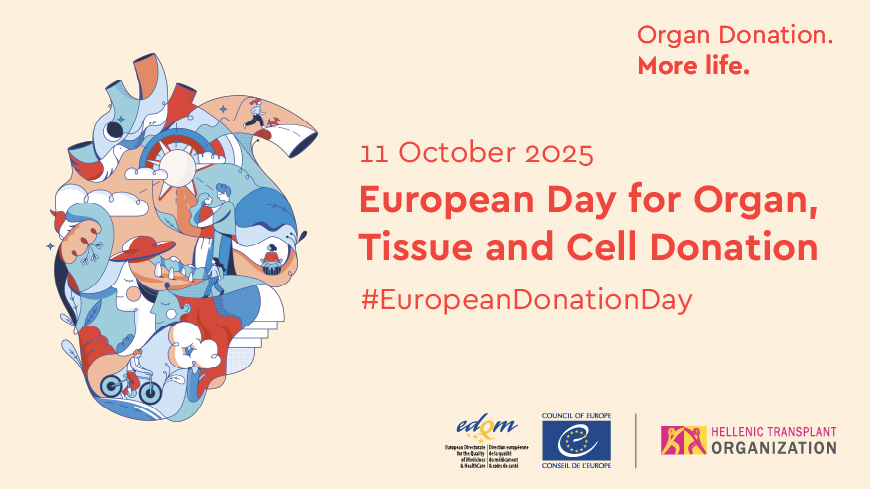
European Donation Day (EDD) 2025 aimed to promote trust, raise awareness of organ donation, strengthen co-operation, share ethical and scientific perspectives and encourage greater public engagement across Europe.
Last year, EDD was hosted by Greece in close collaboration with the Hellenic Transplant Organization. Celebrations ran from 10 to 12 October 2025 and special events took place in Kalamata and Athens, under the slogan:
Organ donation, more life.
United in purpose. Stronger together.
Held annually, this event brings together stakeholders from across Europe, including representatives from government ministries, EU and national health bodies, local and regional authorities, and patient and healthcare professional associations, to promote ethical, voluntary donation and strengthen institutional and public awareness. Events opened in Kalamata with the annual plenary meeting of the European Committee on Organs, Tissues and Cells (CD-P-TO), the intergovernmental committee that oversees and co-ordinates the Council of Europe’s work in the field. Other initiatives included a local awareness campaign in Kalamata, featuring educational initiatives targeting young people in local schools. Another highlight was an international scientific conference that examined the global and national transplantation landscape, ethical perspectives, donor-recipient experiences, and strategies to increase awareness.
Against the backdrop of EDD, the CD-P-TO adopted a landmark position paper addressing the online promotion and facilitation of unethical international travel for transplantation (see details below).
Throughout the three days, several prominent historical buildings both in Kalamata and Athens, as well as the Palais de l’Europe (Council of Europe headquarters in Strasbourg), were illuminated in green, the official EDD colour, to reinforce the campaign’s messages and visibility.
Full information on EDD, including elements of the engaging social media campaign, can be found on the EDQM website: https://www.edqm.eu/en/european-donation-day-2025.
Council of Europe Secretary General: Organ donation depends on trust. We must defend it.
Equitable access to organ transplantation depends on public trust in the transplantation system.
Organ, tissue and cell donation gives countless people across Europe a second chance at life. However, according to Secretary General Alain Berset, this act of solidarity is under threat. “Criminal networks are misusing digital platforms to advertise and arrange illicit organ transplants abroad. They exploit donors, endanger recipients, and break the trust that makes legitimate transplantation possible.” Using EDD as a platform, Mr Berset urged governments to act to put an end to these illicit activities. He reinforced the message that transplantation must be free and based on informed consent. “Transplantation only works when it is transparent, ethical, and respects human rights.”
The Council of Europe is committed to standards that protect human rights and dignity. These clear principles are set out in the conventions of the Council of Europe and the guiding principles of WHO. Mr Berset invited states that have not yet ratified the Council of Europe Convention against Trafficking in Human Organs to do so. Preventing this crime and prosecuting those behind it is a joint effort, driven by co-ordinated national and international action. Only then can we “protect the health and dignity of donors and recipients and preserve the trust that keeps our healthcare systems strong.”
Press release:
Secretary General: Organ donation depends on trust. We must defend it.
CD-P-TO adopts position paper to combat unethical travel for transplantation
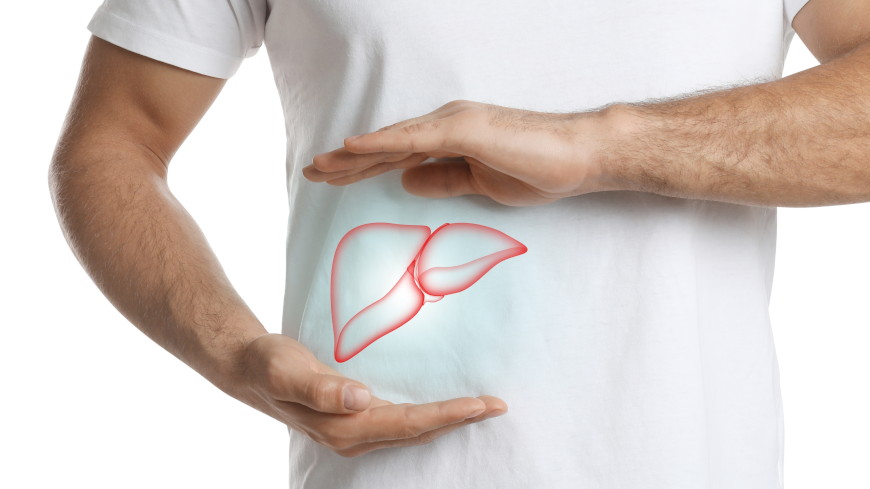
Position paper calls for stronger oversight and co-ordinated action to counter unethical “transplant tourism”.
On 9 October 2025, the CD-P-TO adopted a landmark position paper addressing the online promotion and facilitation of unethical international travel for transplantation. Developed by the Network of National Focal Points on Travel for Transplantation (NETTA), under the aegis of the CD-P-TO, the position paper responds to alarming reports of transplant tourism packages offered online. These practices involve luring vulnerable patients into undergoing unsafe and unlawful transplant procedures in exchange for substantial fees. This phenomenon is fuelled by criminal networks linked to human trafficking for the purpose of organ removal and/or trafficking in human organs, posing serious risks to both donors and recipients. These practices generate mistrust towards donation and transplantation and negatively impact altruistic donation.
The position paper reaffirms that organ donation and transplantation must be grounded in transparency, equity and respect for human rights, as enshrined in the Council of Europe Convention for the Protection of Human Rights and Dignity of the Human Being with regard to the Application of Biology and Medicine: Convention on Human Rights and Biomedicine and WHO guidelines. Moreover, it calls for co-ordinated national and international efforts to uphold ethical standards in transplantation, protect donors and patients, prosecute perpetrators and preserve trust in organ donation and transplantation systems across Europe and beyond.
Finally, the position paper includes several key recommendations for member and non-member states and relevant authorities, including strengthening oversight of online platforms offering illegal transplantation packages and improving communication between the judiciary, law-enforcement agencies and health and digital actors. Countries are urged to ratify the Council of Europe Convention against Trafficking in Human Organs.
Read the CD-P-TO position paper:
“Online promotion and facilitation of unethical international travel for transplantation” (PA/PH/TO (25) 23).
CD-P-TO issues urgent call to safeguard diagnostic tools for organ and tissue donation
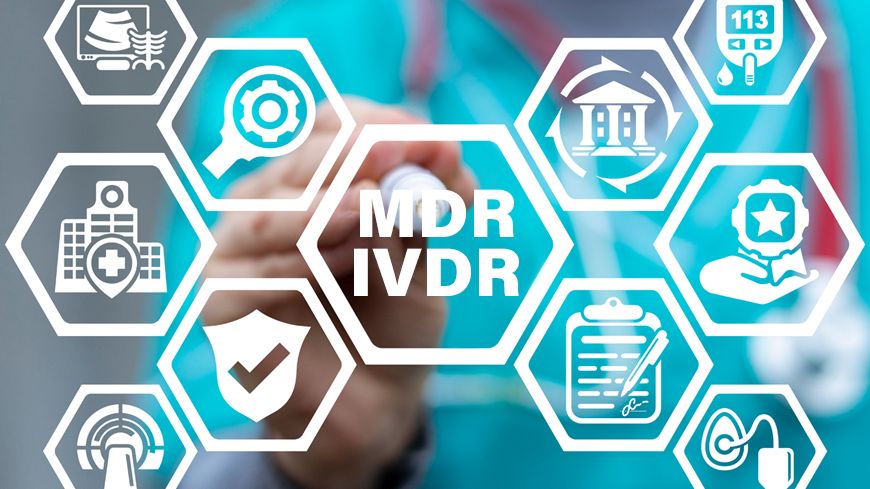
Co-ordinated action is needed to protect access to essential diagnostic testing and safeguard patient and donor safety.
In October 2025, the CD-P-TO adopted a critical position paper highlighting the unintended consequences of EU regulations on medical devices (MDR) and in vitro diagnostic devices (IVDR), particularly as they relate to SoHO. The paper warns that the current regulatory framework is leading to the withdrawal of essential diagnostic tools used in donor screening and SoHO preparations, threatening patient safety and service continuity.
The MDR and IVDR were introduced in 2017 to establish a robust, transparent, predictable and sustainable regulatory framework that ensures high standards of safety and healthcare while supporting innovation. However, several years into implementation, unintended consequences have emerged, disproportionately affecting niche markets, such as organ and tissue donation. Unable to meet the complex and costly requirements, many manufacturers have been forced to withdraw critical devices from the market or adopt alternative approaches that may not meet safety and quality standards.
To address these challenges, the CD-P-TO recommends proportionate regulations for niche, low-volume and low-risk devices, clearer guidance on in-house devices and off-label use and a living list of essential devices to prevent supply disruptions. It also calls for better quality checks for specialised testing, including deceased-donor blood screening and diagnostics for rare or tropical diseases. Finally, the CD-P-TO is calling for harmonised EU guidance for emergency preparedness and response to prevent shortages of medical devices and in vitro diagnostic tests used in SoHO and other specialised areas.
Read the CD-P-TO position paper:
“Risks to safety and quality in donor screening and SoHO preparations due to poor implementation of the MDR and IVDR” (PA/PH/TO (24) 18).
Newsletter Transplant 2025 – Transparency, ethical governance and equitable access

Data from 92 countries shows global transplantation activities continued to rise in 2024.
A new edition of Newsletter Transplant was published in November 2025. Produced annually under the aegis of the CD-P-TO, it presents up-to-date data on organ donation and transplantation worldwide. According to the 2025 report, which covered a record 92 countries, organ transplantation activities increased globally by 2% in 2024, driven primarily by a rise in donation after the circulatory determination of death (i.e. after the heart and breathing have irreversibly stopped). Nearly 30% of deceased donors were declared dead by circulatory criteria, confirming the growing role of this pathway alongside donation after brain death.
Produced in close co-ordination with the Spanish Organización Nacional de Trasplantes (ONT) since 1996, Newsletter Transplant has become an international reference in the field of SoHO. Every year, the ONT co-ordinates the collection, compilation and analysis of international data through a network of health authorities and officially designated individuals involved in donation and transplantation programmes. The publication is part of a co-ordinated effort to compare programmes, examine best practices and strengthen transplantation systems – ultimately to increase organ availability and improve the effectiveness of donation systems. Despite the rise in donations, thousands of patients are still waiting for an organ transplant. In 2024 alone, over 8 500 people died while on a waiting list – almost 24 patients every day.
Find out more in the press release:
“Newsletter Transplant 2025 – Transparency, ethical governance and equitable access”.
The Newsletter Transplant can be downloaded for free at https://go.edqm.eu/NLTransplant; paper copies can be ordered through the EDQM WebStore: https://store.edqm.eu.